Pros
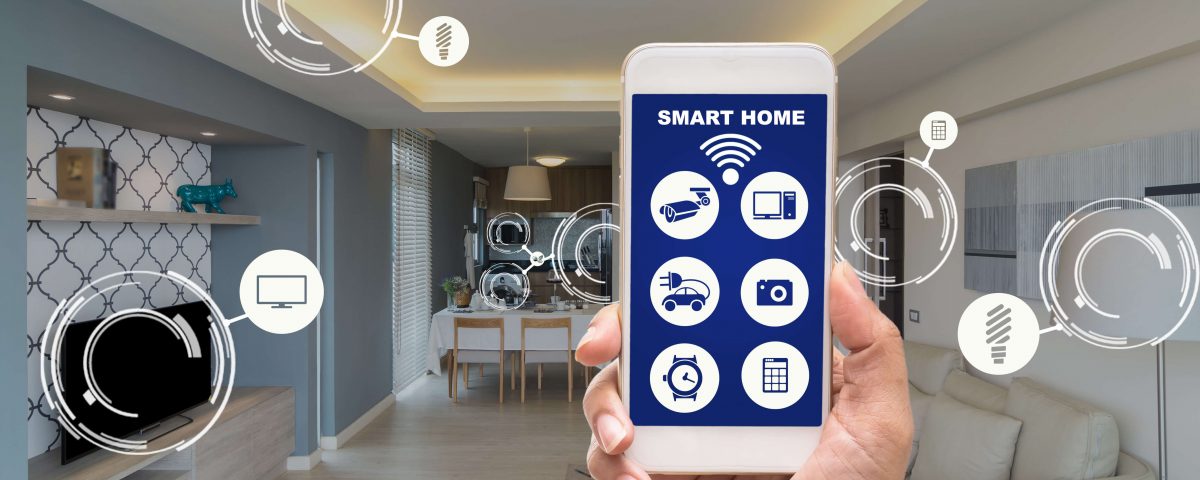
Installing a smart home technology system provides homeowners with convenience. Rather than controlling appliances, thermostats, lighting, and other features using different devices, homeowners can control them all using one device—usually a smartphone or tablet.
Since they're connected to a portable device, users can get notifications and updates on issues in their homes. For instance, smart doorbells allow homeowners to see and communicate with people who come to their doors even when they're not at home. Users can set and control the internal temperature, lighting, and appliances as well.
For the cost of setting up the smart system, homeowners can benefit from significant cost savings. Appliances and electronics can be used more efficiently, lowering energy costs.
Cons
While the smart home offers convenience and cost savings, there are still challenges. Security risks and bugs continue to plague makers and users of the technology. Adept hackers, for example, can gain access to a smart home's internet-enabled appliances. In October 2016, a botnet called Mirai infiltrated interconnected devices of DVRs, cameras, and routers to bring down a host of major websites through a denial of service attack, also known as a DDoS attack.
Measures to mitigate the risks of such attacks include protecting smart appliances and devices with a strong password, using encryption when available, and only connecting trusted devices to one's network.
As noted above, the costs of installing smart technology can run anywhere from a few thousand dollars for a wireless system to tens of thousands of dollars for a hardwired system. It's a heavy price to pay, especially since there may be a steep learning curve to get used to the system for everyone in the household.
Smart Homes
Pros
-
Are often more convenient than traditional methods of scheduling, controlling, or accessing products
-
May enhance security due to notifications or alerts
-
Offers multiple ways of performing a certain task (i.e. lights can be manually turned on or scheduled)
-
May result in long-term cost savings when considering efficient energy use
Cons
-
May pose security risk as products are connected to networks and can be hacked
-
May require additional work for homeowner to track additional passwords and monitor product security
-
Are often more expensive than their less smart counterpart products
-
May result in steep learning curve, especially for those not technologically-savvy